Design System Agency
For Scaling Digital Design
Design system services built for consistency and scalability, aligning UX, UI, and engineering through reusable components.











Design System
Ideal Use Cases
Reusable systems ensuring product consistency
Scaling Design Across Teams
Supports growing teams by establishing shared design and development foundations that maintain consistency across products.
Reducing Design and Dev Rework
Minimizes rework by aligning design tokens, components, and patterns directly with engineering workflows.
Standardizing UI Components
Creates reusable component libraries that improve development efficiency and maintain visual consistency.
Aligning Design With Frontend
Bridges the gap between design and code through system-led foundations compatible with frontend frameworks.
Maintaining Product Consistency
Ensures UI and UX remain consistent as features, platforms, and development teams scale.
Design System Challenges
We Address
Inconsistent UI across teams, products, or platforms.
Repeated design and development rework due to lack of standards.
Difficulty scaling design as teams and features grow.
Design handoffs that don’t translate cleanly into code.
Lack of governance around components and tokens.
Scalable Design System Engineering Services
Unified systems ensuring consistency across digital products
Design System Audit
Structured audit exposing inconsistencies, scale gaps, and risks across your design ecosystem.
Visual Language & Style Guide
Translate your brand into clear visual standards applied consistently across all touchpoints.
System Architecture & Planning
Define a scalable foundation so your design system supports products, teams, and future growth.
Guidelines & Documentation
Create clear documentation so your teams adopt, use, and maintain the system with confidence.
Design Tokens
Centralize your colors, type, spacing, and states to keep design and code perfectly aligned.
System Governance
Establish ownership and rules to keep your design system controlled as products scale.
Component Library Creation
Build reusable components that boost consistency and accelerate your design and development flow.
Adoption & Evolution
Support adoption and refinement so your design system stays relevant and effective over time.
Featured Case Studies
Dive into Our Success Stories

SAAS - Recruitment
Intromagic - A Video Interview Platform
A UI/UX Case Study highlights a platform redesign that transformed recruitment processes.
CRM
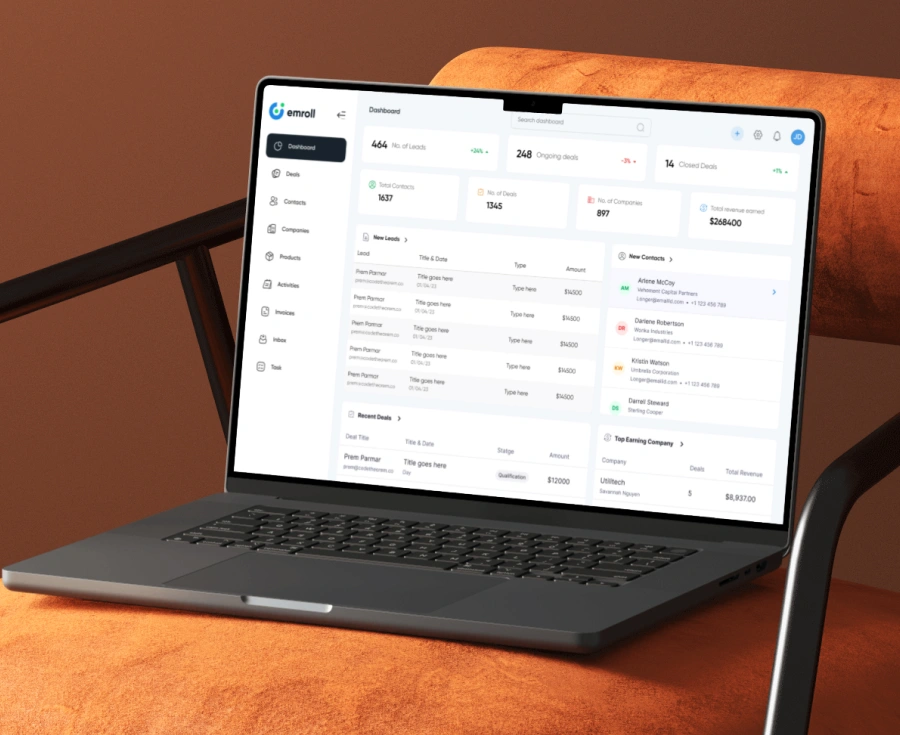
Emroll - CRM Platform
A Case study on transforming a CRM platform through intuitive UI/UX Design
SAAS - Recruitment
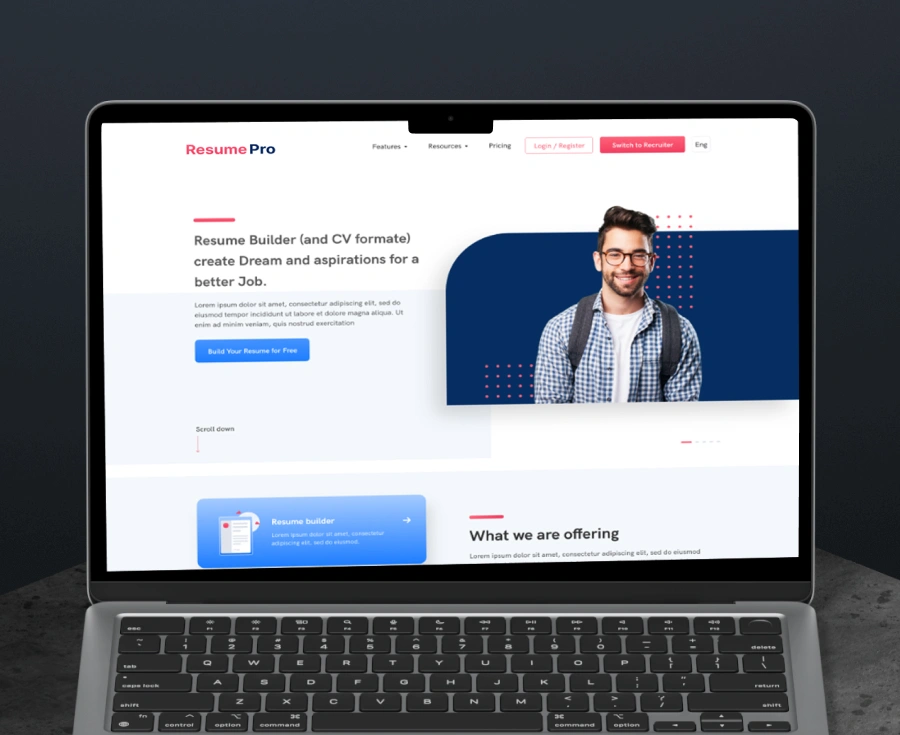
Resume Pro - A Resume Building Platform
A UI/UX Design Case Study showcasing the transformation of a resume-building platform.

CRM
Ezycheck - A Cheque Management App
A Case Study demonstrates how the app has improved efficiency, user experience, and reduced errors.
- Artists
- Strategists
- Innovators
Crafting Consistent Experiences
At CodeTheorem, we specialize in crafting robust design systems that streamline your design process and enhance user experiences. As a leading Design System Agency, our mission is to provide design system services that foster consistency and efficiency across your digital products.
It’s always “extra good” to know that your brand is being immediately recognized through its visual language. We build a UI design system library that serves as a way of contributing to building strong brand strategies.
Industry Expertise
Crafting unique narratives across industries!
Our Design System
Building
Process
How we turn your vision into reality
01
Understand & assess
Review existing design assets, workflows, and products to identify gaps, inconsistencies, and scalability needs.
02
Define system foundations
Establish design system architecture, design tokens, and core standards to create a consistent and scalable foundation.
03
Build components & visual standards
Create reusable UI components, visual language, and style guidelines aligned with brand and product needs.
04
Document & govern
Provide clear documentation and usage guidelines to ensure consistency, ownership, and long-term system stability.
05
Adopt & evolve
Support adoption across teams and refine the system over time as products, teams, and requirements grow.
Why Partner With a Design System Agency ?
Founder-led. System-oriented. Structured for scalable product ecosystems.
Founder-Led System Architecture
Design systems are engineered under founder leadership to ensure long-term ownership and governance.
Engineering-Ready Design Systems
Design system engineering aligns closely with frontend frameworks for smooth developer adoption.
Token-Driven Foundations
Design tokens define color, typography, spacing, and interaction rules for consistent UI delivery.
Scalable Component Libraries
Reusable components are built to support multiple products, platforms, and teams.
Reduced Design & Dev Debt
System-driven design minimizes rework, inconsistencies, and long-term maintenance costs.
Enterprise-Grade System Thinking
Experience building design systems for SaaS platforms and large-scale enterprise applications.
What Our Clients
Say About Us
Verified by clutch


We work across the US, Europe, and Asia, and this team adapted to each market without losing quality. That global fluency made a real difference as we expanded.
Every deadline was hit, and nothing drifted from what we originally asked for. Regular updates meant no surprises just steady, high-quality progress from start to finish.
Our numbers moved engagement, performance, all of it not long after we started working together. Feedback was never brushed off; it actually shaped the next round of work.
Fewer revisions, faster execution, better numbers across usability and engagement. Communication stayed tight throughout a quick check-in was usually all it took to keep things moving.
Users noticed the difference immediately, and the feedback has been overwhelmingly positive. What stood out most was how well the team understood what we were building before they even started designing.
No templates, no shortcuts just a custom-built experience that actually felt like ours. Users picked up on it right away, and the team stayed responsive any time we needed a tweak.
They delivered exactly what we asked for and stayed responsive the whole way through. Ad-hoc requests never slowed things down turnaround stayed fast even.
On time, on brief, and genuinely invested in getting it right. When our scope shifted partway through, the team adjusted without missing a beat.
Streamline Your Design Workflow with a Design System
Create consistency, efficiency, and scalability across your projects with our expert design system services.
Unified Product Foundations
Scale with consistency
Blogs & News
Insights & Design Trends
- All
- Blogs
- Development
- UI/UX Design
Your Questions, Answered!
FAQs
What is a design system?
A design system is a collection of reusable components, design patterns, and guidelines to create a consistent user experience across all your products and platforms. It serves as a single source of truth for designers and developers, helping to streamline the design process. By establishing a unified language and visual style, a design system enhances collaboration and speeds up the development cycle, allowing teams to focus on innovation rather than redundancy.
Why do I need a design system?
Implementing a design system is essential for organizations looking to improve efficiency and maintain brand consistency. With a design system in place, teams can work more collaboratively, reducing misunderstandings and misalignments. This consistency leads to a cohesive user experience, which is crucial for building trust and loyalty among your audience. Moreover, a well-defined design system can significantly reduce the time it takes to bring new features or products to market, ultimately boosting your competitive advantage.
What are the key components of a design system?
Key components of a design system typically include:
UI Components: A library of reusable interface elements such as buttons, form fields, and navigation menus.
Style Guide:Comprehensive documentation outlining the visual aspects of your brand, including color palettes, typography, and iconography.
Design Patterns: Established solutions to common design problems that enhance usability and user experience.
Accessibility Guidelines: Best practices to ensure that your products are usable by people of all abilities and disabilities.
Documentation: Detailed instructions and resources that guide designers and developers in using the design system effectively.
Together, these components create a robust framework that supports both current and future design needs.
How do I choose the right design system agency for my project?
Selecting the right design systems agency is crucial for the success of your project. Start by assessing their expertise in your industry and examining their portfolio for previous work that resonates with your vision. Look for a design system company that has a solid understanding of design principles and can demonstrate a successful track record. Client testimonials and case studies can also provide valuable insights into their approach and effectiveness. Additionally, consider their communication style and how well they align with your organizational culture.
Why should I hire a design system agency?
Hiring a design system agency offers numerous benefits. These agencies bring specialized knowledge and experience that can help create a tailored design system fitting your organization's unique goals. Their expertise ensures your system is not only functional but also scalable, allowing it to adapt to future needs as your business evolves. Moreover, a design system agency can offer valuable insights into best practices and emerging trends, helping you stay ahead of the competition.
How long does it take to create a design system?
The timeline for developing a design system can vary widely based on the project's complexity and scope. Generally, creating a robust design system can take anywhere from a few weeks to several months. This process typically involves research, design, testing, and documentation phases. A design system consultant can provide a more accurate estimate based on your specific requirements and the level of detail needed in your design system.
Can a design system agency help with existing products?
Absolutely! A design systems consultancy can evaluate your current products and work to integrate a new design system that enhances consistency and user experience. They can assess your existing assets, identify areas for improvement, and ensure that your new design system aligns with your brand’s vision and goals. This process not only improves the aesthetics and functionality of your products but also helps streamline future updates and feature additions.
How can I get started with design system consulting with your agency?
Getting started with our design system consulting services is simple! Reach out to us through our contact form or schedule a consultation at your convenience. During the initial meeting, our design system consultant will discuss your goals, challenges, and the specifics of your project. We will guide you through the process of building an effective design system tailored to your brand, ensuring that it meets your unique needs and aligns with your long-term vision.